Tbilisi
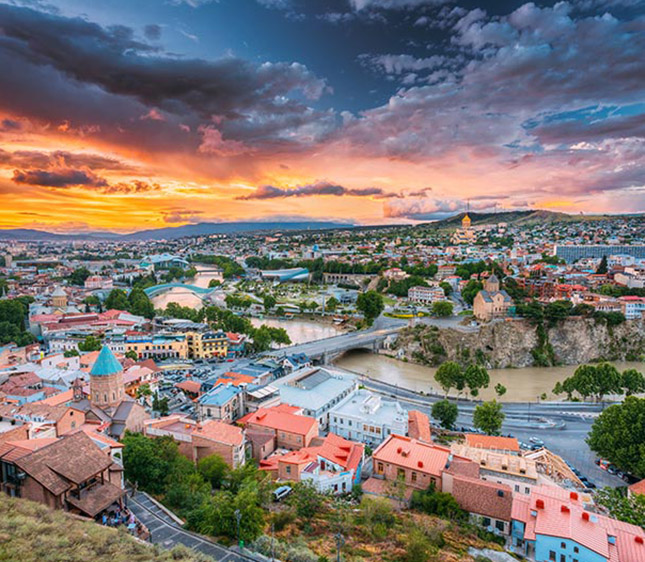
Tbilisi, the capital of Georgia since the 6th century, serves as the nation's political, economic, and cultural hub. Founded in the 5th century, the city boasts a rich history and remarkable ethnic diversity, reflected in its varied architectural styles. The city center blends modern structures with charming, old narrow streets, but the most captivating area for visitors is its historic quarters.
Tbilisi's old neighborhoods feature notable landmarks and vibrant attractions. Religious tolerance is evident, with churches, mosques, and synagogues situated close to one another. Key highlights include the iconic "Abanotubani," natural sulfur baths that are still operational, as well as Chardin Street, which is lined with restaurants, café bars, nightclubs, and galleries. These historic and lively spots make Tbilisi a must-visit destination.
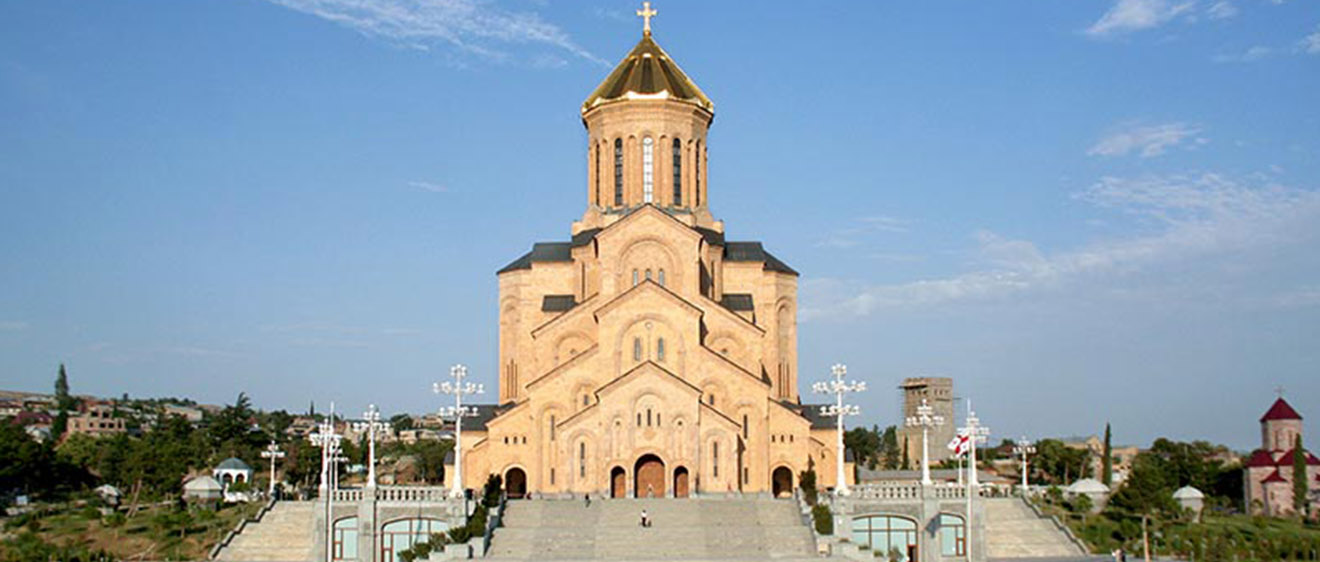
Tsminda Sameba Cathedral (Holy Trinity)
The Holy Trinity Cathedral, the tallest Orthodox church in Georgia, was constructed between 1995 and 2004. This grand structure commemorates two significant milestones: the 1500th anniversary of the Georgian Church's autocephaly and the 2000th anniversary of Christianity's emergence. Designed in the shape of a cross, its dome is adorned with a 7-meter gilded cross, bringing the cathedral's total height to an impressive 84 meters.
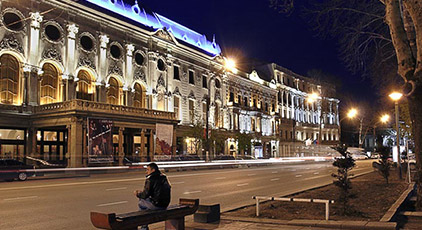
Rustaveli and Freedom square
Rustaveli Avenue, starting from Freedom Square, is considered the heart of Tbilisi. It is home to numerous significant state, public, cultural, and business institutions, making it the city's central hub.
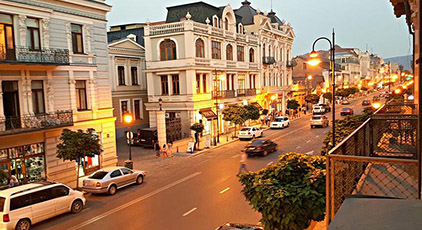
Agmashenebeli Boulevard
One of Tbilisi's oldest and most picturesque streets, featuring historic architectural buildings, colorful entrances, and unique decorative ornaments.
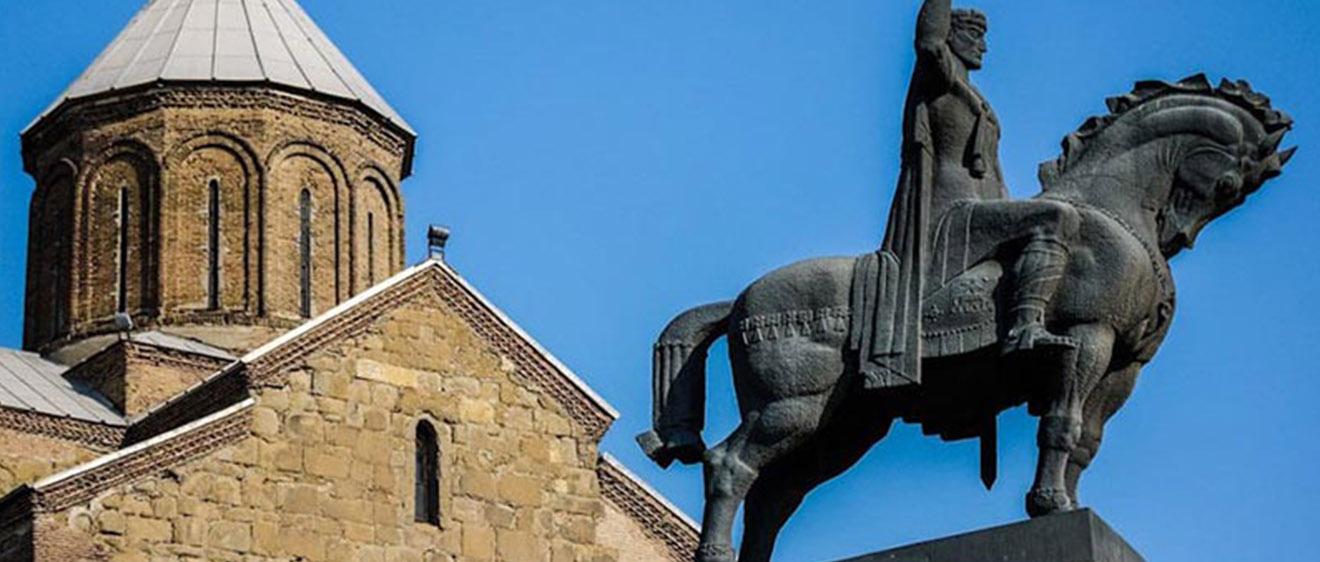
Vakhtang Gorgasali Square
Vakhtang Gorgasali Square, also known as Maidan, is Tbilisi's ancient shopping square dating back to the 17th century. From here, visitors can view notable landmarks such as the Metekhi Church, with its decorative facade, the bronze statue of Vakhtang Gorgasali, and the Narikala Castle Palace, situated on a hill between the sulfur baths and the botanical garden.
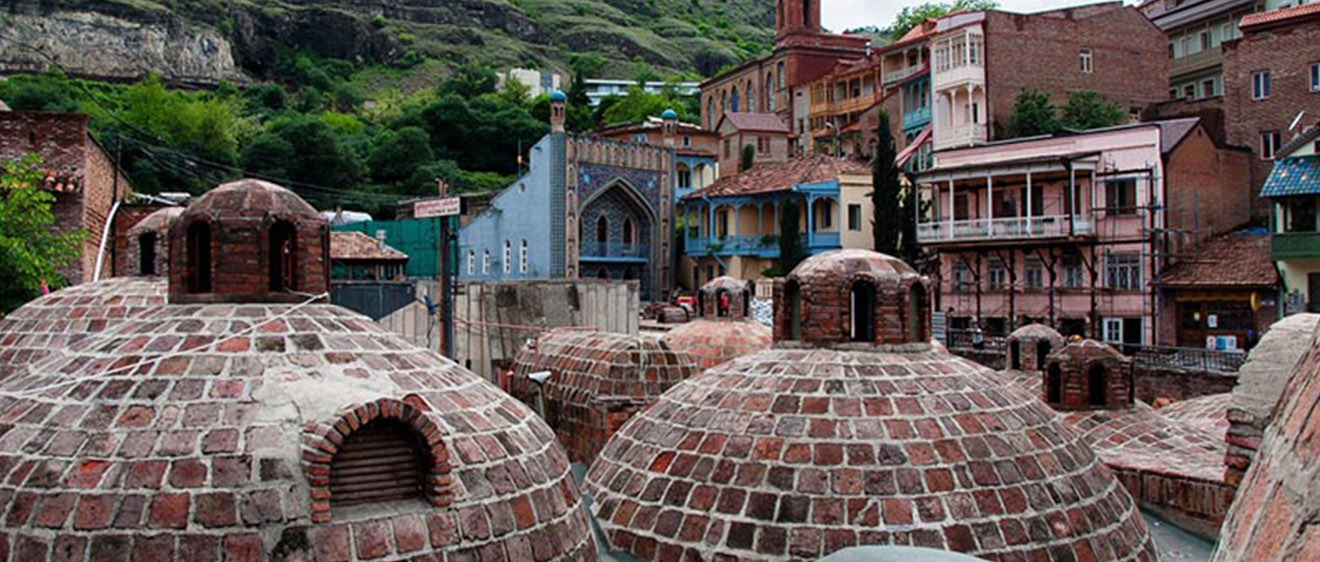
Abanotubani
Abanotubani, the bath district, is the oldest part of Tbilisi, where the first settlement and the cradle of the capital were established. Today, seven sulfur baths remain in the area. The thermal waters of Tbilisi are known for their healing properties, with spring temperatures ranging from 24 to 27 degrees Celsius.
Mtskheta
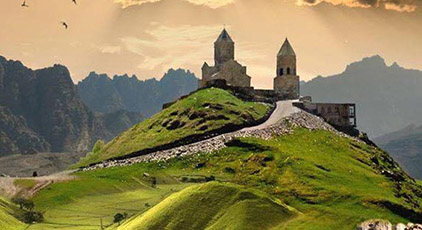
Mtskheta, the old capital of Georgia, is where the history of Christianity in the country began. It is often referred to as the second Jerusalem.
Kazbegi Peak
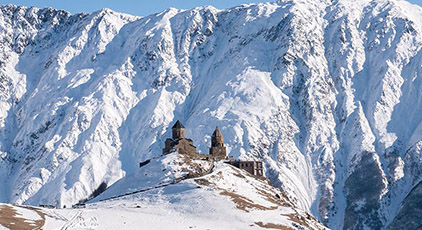
The glacier, located in northern Georgia on the ridge next to the Caucasus and bordering Russia, reaches a height of 5,033 meters, making it the highest peak of Eastern Georgia.
Svaneti
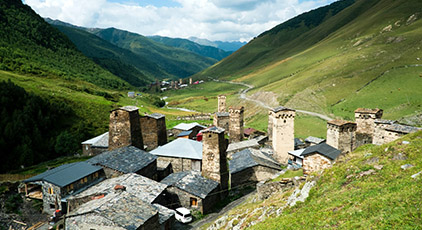
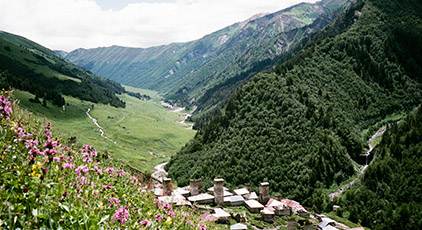
Svaneti, located in the Caucasus region, is one of the highest mountain villages in Georgia. Situated on the southern slopes of the Caucasus Peninsula, it is the source of the Enguri and Chenitskali rivers. The highest peak in Georgia, Shkhara, stands at approximately 5,068 meters above sea level, making it a prominent feature of the region.
Historically, Svaneti was part of the ancient kingdoms of Colchis and Egrisi and later became integrated into a united Georgia. The region is divided into Upper Svaneti (Mestia) and Lower Svaneti (Lentechi). Upper Svaneti, known for its resilient population that has never been forcibly subjugated, has historically preserved Georgia’s treasures. Religious and national artifacts were hidden in the remote, unconquerable mountains of Svaneti, and many still remain in the region today. The people of Svaneti also speak a unique dialect.
Batumi
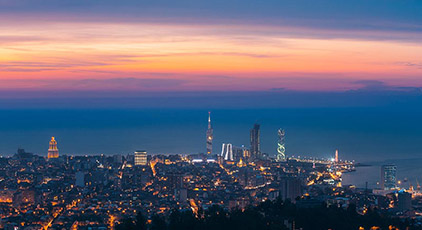
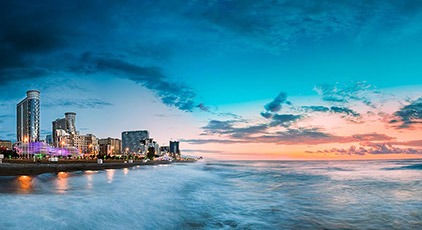
Batumi, the capital of Adjara, is located on the Black Sea coast in southwestern Georgia. Known as the "Georgian Sea Gate," it is one of the oldest and most strategically significant cities, with a history spanning about two thousand years. Batumi also boasts one of the deepest and most convenient ports on the Black Sea.
Landmarks in Batumi include the Batumi Cathedral of the Mother of God, built in 1898 with funding from the Zubalashvili brothers who worked in Baku; the Batumi Puppet Theater building; the Ilia Chavchavadze Batumi State Theater; and the Batumi Botanical Garden, all of which reflect the city’s rich cultural and architectural heritage.
Vardzia
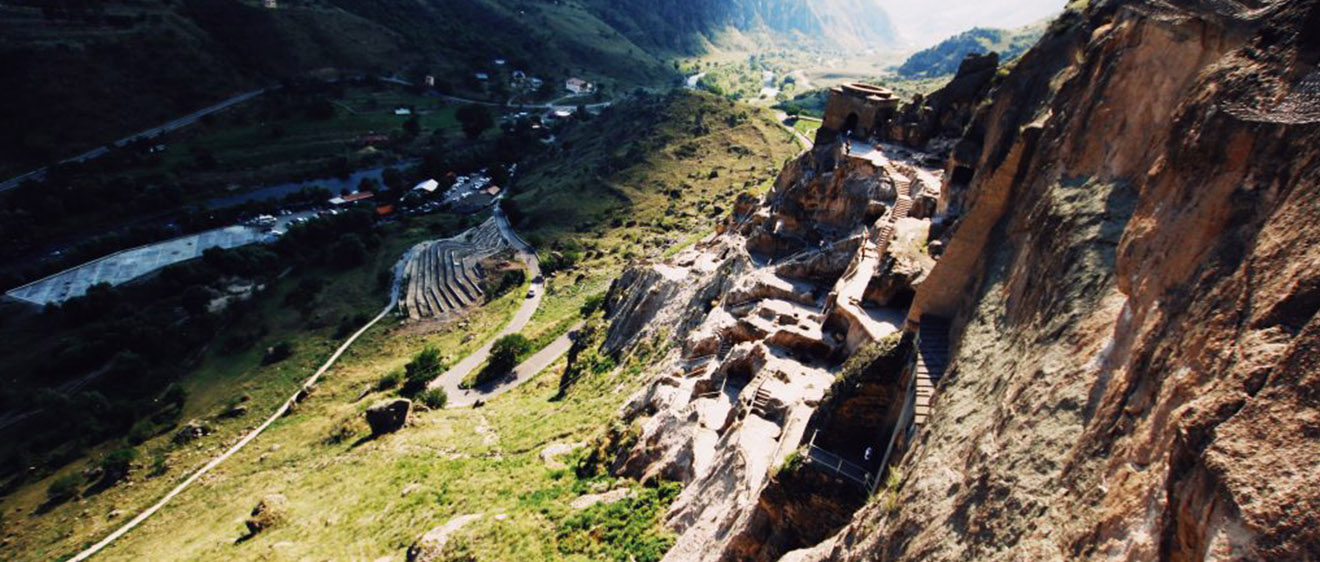
Vardzia is a monastic complex carved into the rock, a notable monument of Georgian artistic culture from the 12th-13th centuries. Situated 1,300 meters above sea level, the settlement was consecrated on August 15, 1185, during the reign of Queen Tamar (1184-1213).
Khertvisi Church
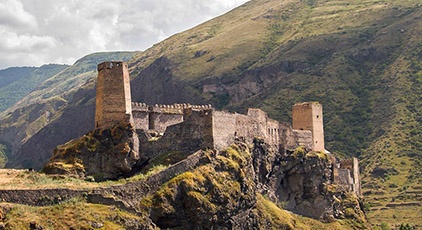
Khertvisi Fortress is a medieval stronghold located on the border of Samtskhe and Javakheti, atop a high rocky mountain. It strategically controls two key trade routes leading from Georgia to Turkey and Armenia.
Gudauri
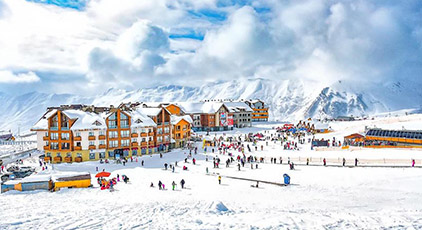
Gudauri is Georgia's highest ski resort, situated at 2,200 meters above sea level. Established 30 years ago, it has quickly gained popularity among ski enthusiasts. The ski season runs from December to April.
Abkhazia
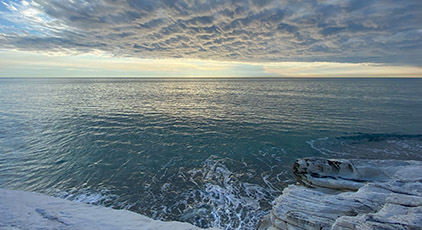
Abkhazia is a historical and geographical region in the northwest of Georgia, situated on the eastern shore of the Black Sea. Currently, it holds the status of an autonomous republic. The region is bordered to the north by the Russian Federation and to the southeast by the occupation line along the administrative border of the Samegrelo-Zemo Svaneti region. Abkhazia boasts several remarkable landmarks that highlight its historical and cultural significance. Among these are the Besleti Bridge, Dioskuria Castle, and the Kelasuri Wall. Additionally, the region is home to the Bedia Monastery, the Ilori Church of Saint George, and the Mokvi Monastery. Visitors can also explore the Church of St. Simon the Canaanite in New Athos and the Sokhumi Botanical Garden, making Abkhazia a rich tapestry of Georgian heritage and natural beauty.
Borjomi
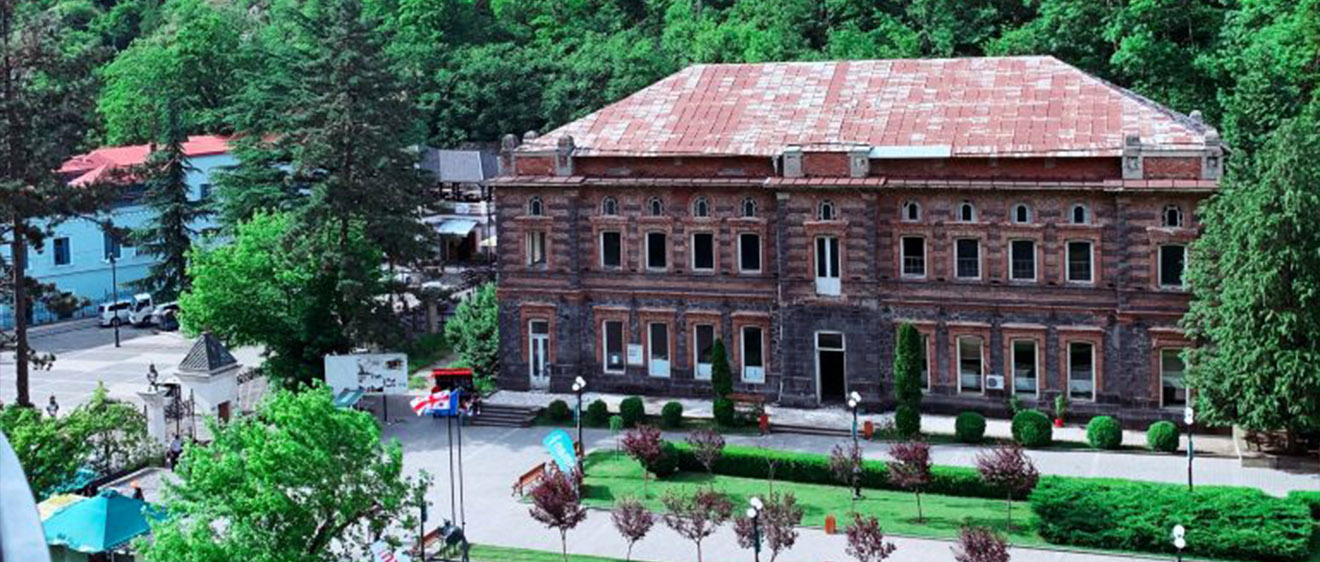
Borjomi is a resort city in eastern Georgia and serves as the administrative center of Borjomi Municipality. Located at an altitude of 800 to 900 meters above sea level, Borjomi is renowned as a balneological and climatic resort that has attracted visitors for centuries, including members of the Russian imperial family. One of its most beautiful attractions is the Romanov Palace, a testament to its historical significance. The city is also famous for its mineral water bottling plant, which produces the renowned Borjomi mineral water, cherished both locally and internationally.