
Geographic Location


Geographic Location of North Macedonia
North Macedonia is a landlocked country located in the heart of the Balkan Peninsula in Southeastern Europe. Its total area spans 25,713 square kilometers, making it a relatively small but geographically diverse nation. The country is strategically positioned at the crossroads of Eastern and Western Europe, which has historically made it a significant cultural and trade hub. It is bordered by Serbia and Kosovo to the north, Bulgaria to the east, Greece to the south, and Albania to the west. This central location provides North Macedonia with access to some of the most dynamic regions of the Balkans, and it has long been a meeting point for different cultures, religions, and civilizations.
Mountainous Terrain
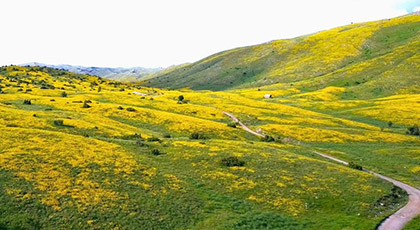
The geography of North Macedonia is marked by its predominantly mountainous terrain, with rugged peaks and highlands dominating much of the landscape. The Šar Mountains and the Korab Massif are prominent features in the west and north, with Mount Korab standing as the country’s highest peak at 2,764 meters above sea level. These mountains form part of the Dinaric Alps, which extend through the western Balkans. The central and eastern regions of the country are characterized by lower hills and plains, including the fertile Vardar Valley, which plays a crucial role in the country's agriculture and economy.
Rivers and Waterways
The Vardar River is the principal waterway in North Macedonia, running through the center of the country from its northwest to southeast before flowing into Greece and eventually reaching the Aegean Sea. This river has historically served as a vital transportation and trade corridor, connecting the central Balkans to the Mediterranean region. Other significant rivers, such as the Crna and Bregalnica, contribute to the country’s intricate hydrological network and provide essential resources for agriculture, industry, and daily life.
Lakes and Biodiversity
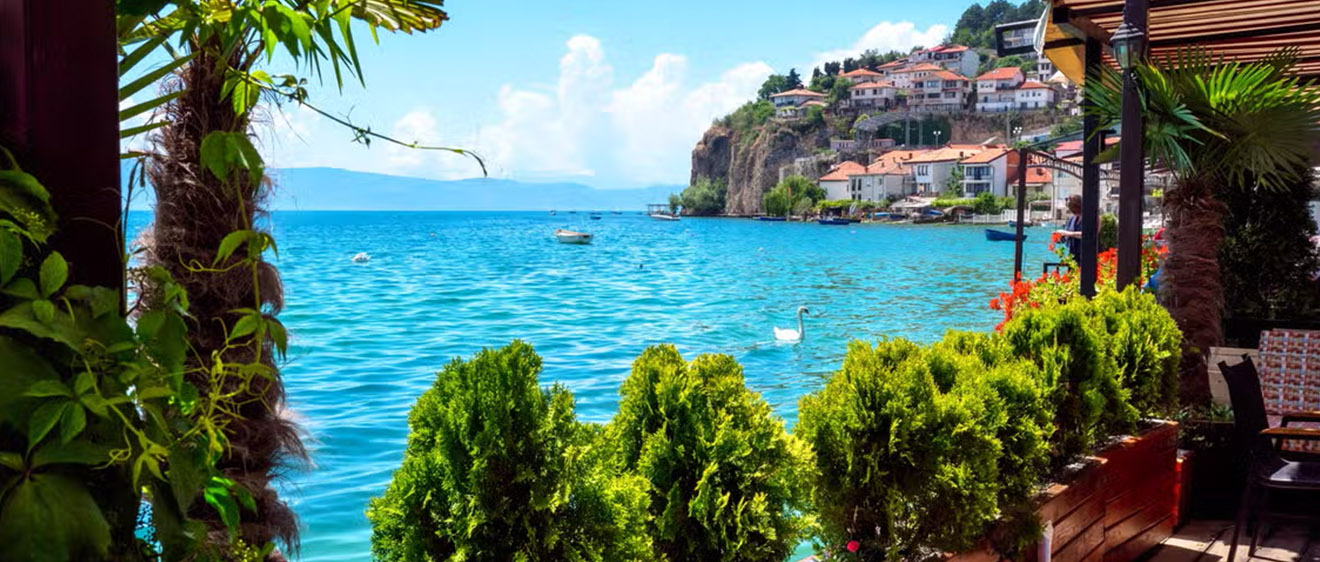
Lakes are another prominent feature of North Macedonia’s geography, with three major ones standing out: Lake Ohrid, Lake Prespa, and Lake Dojran. Lake Ohrid, one of Europe’s oldest and deepest lakes, is a UNESCO World Heritage Site renowned for its extraordinary biodiversity and historical significance. It is shared with neighboring Albania, creating a natural and cultural bridge between the two countries. Lake Prespa, situated at a higher altitude, is also shared with Albania and Greece, highlighting North Macedonia's regional interconnectedness. Lake Dojran, located along the border with Greece, is smaller but equally important for the local ecosystem and economy.
Climate and Ecology
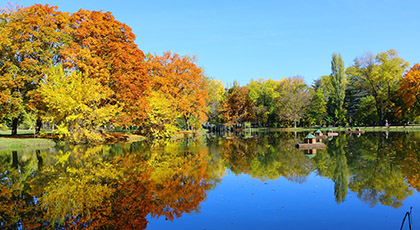
The country’s diverse topography influences its climate, which varies from Mediterranean in the southern and western regions to continental in the northern and eastern areas. Summers in North Macedonia are typically hot and dry, particularly in the lowland areas, while winters can be cold and snowy, especially in the mountains. This climatic variety supports a range of flora and fauna, making the country a haven for biodiversity.
Cultural and Historical Significance
The geographic location and natural features of North Macedonia have also played a pivotal role in shaping its cultural and historical identity. The region has been inhabited since prehistoric times and has served as a crossroads for numerous civilizations, including the Ancient Macedonians, Romans, Byzantines, Slavs, and Ottomans. This rich history is reflected in the country’s archaeological sites, traditional architecture, and cultural practices.
Modern Geopolitical Importance
In addition to its historical and cultural significance, North Macedonia's geographic position continues to influence its modern role in the Balkans. As a gateway between the Adriatic, Aegean, and Central Europe, the country is strategically positioned for trade, transportation, and regional cooperation. Its membership in various international organizations and its status as a candidate for European Union membership further underscore the importance of its geographic location.

