The distance between North Macedonia's capital and Georgian cities'
The distance from Skopje, North Macedonia, to Tbilisi, Georgia, is approximately 1,600 km. To Batumi, it is about 1,300 km, and to Kutaisi, the distance is around 1,500 km.
Georgian Railway
Overview: The total network length for public services, excluding industrial lines, is 1,683 km. Of this, 1,583 km is wide gauge with a 1520 mm width, while 100 km is narrow gauge with a 914 mm width.
Cities served by railways: Tbilisi, Poti - port, Batumi - port, Kutaisi, Akhaltsikhe
Railway lines with neighboring countries: Russia - through the Autonomous Republic of Abkhazia - has been closed for political reasons since 1992, Azerbaijan, Armenia, Turkey

Metro
The metro operates in the city of Tbilisi. Currently, there are 23 operating stations in the Tbilisi Metro, with a total line length of 26.4 km. It was put into operation on January 11, 1966.
The metro uses both the old "E" type wagons in various modifications, as well as the relatively new 81-717 / 714 type wagons.
The wagons are serviced by two depots: Nadzaladevi and Gldani. In 2005, the metro served approximately 105.6 million people. There are 186 wagons in operation across the two depots, and the platforms are capable of holding five carriages. The metro operates from 6:00 AM to 12:00 AM.

Airports
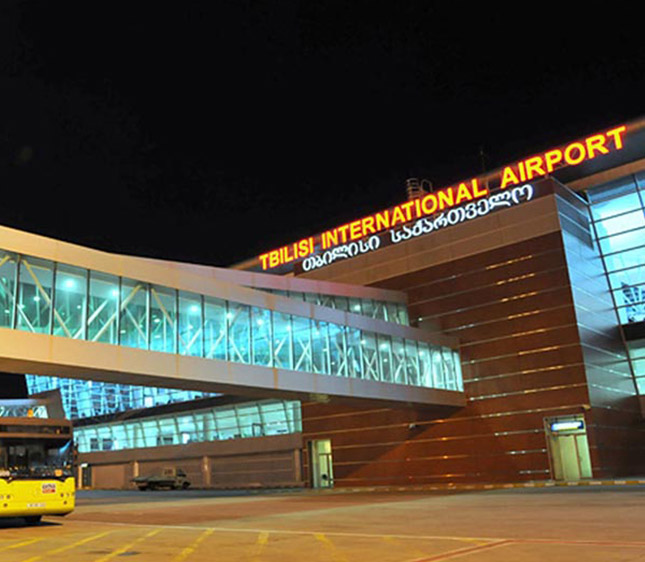
Currently, Georgia has three renovated international airports that meet modern standards: Tbilisi International Airport, Batumi International Airport, Kutaisi International Airport
Tbilisi Airport, named Shota Rustaveli, is located 17 km from the capital. Batumi Airport, named after Alexandre Kartveli, is located 20 km northeast of Khopi (Turkey). This airport serves both Georgia and northwest Turkey. Kutaisi International Airport, named after David the Builder, is located 250 km west of Tbilisi and 131 km northeast of Batumi.
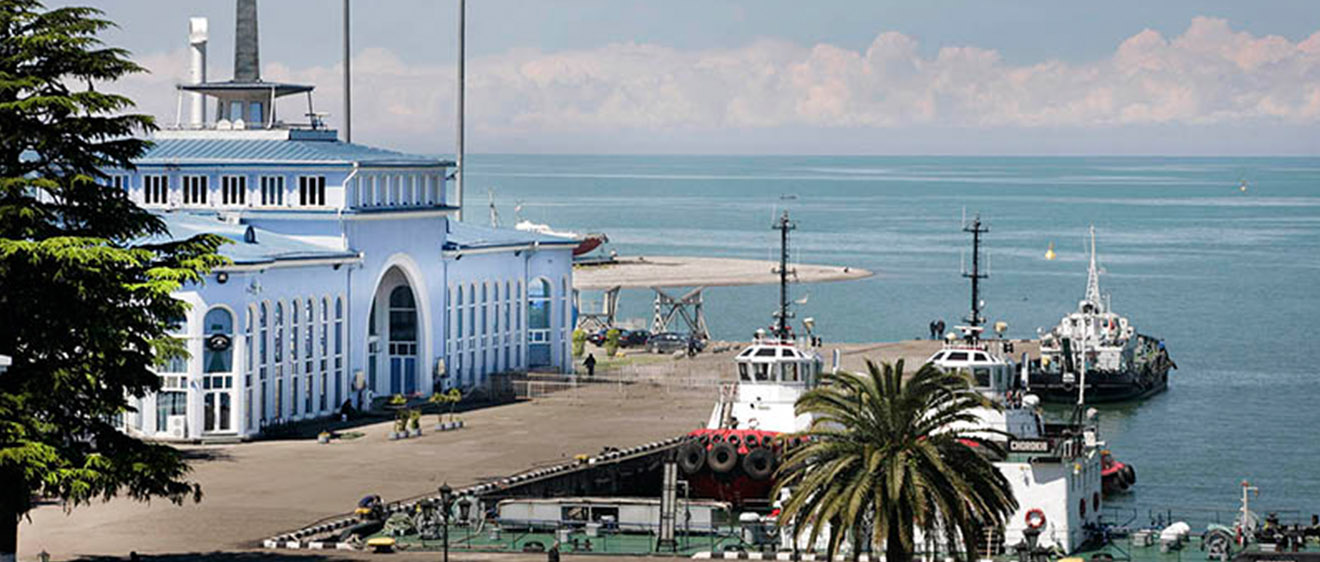
Black Sea Ports
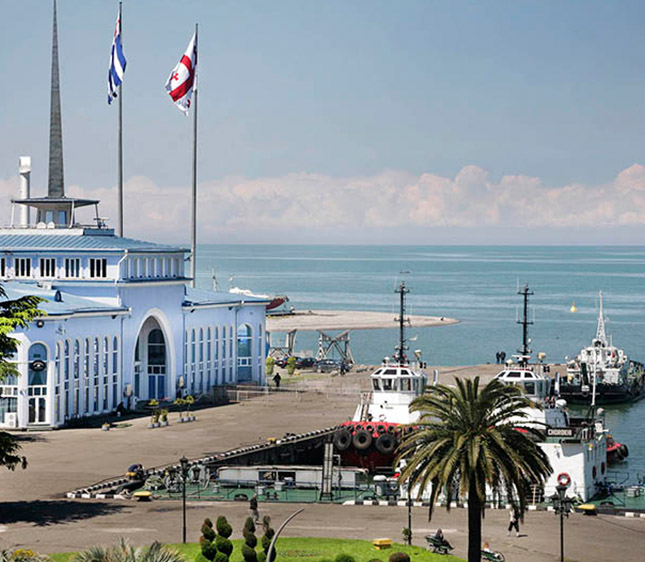
Georgia has several key Black Sea ports, including:
1. Batumi Port – Located on the southwestern coast of Georgia, it is one of the most important and busiest ports, handling both cargo and passenger traffic.
2. Poti Port – Situated on the western coast, near the mouth of the Rioni River, it is one of the largest and most developed ports in Georgia, handling a wide variety of cargo.
3. Kulevi Port – A smaller oil and petroleum product terminal located near Poti, it primarily deals with the transportation of oil and related goods.
These ports play a significant role in Georgia’s economy, particularly in international trade, as they provide access to the Black Sea and serve as key transit points for goods moving between Europe, Asia, and the Middle East.
Highways
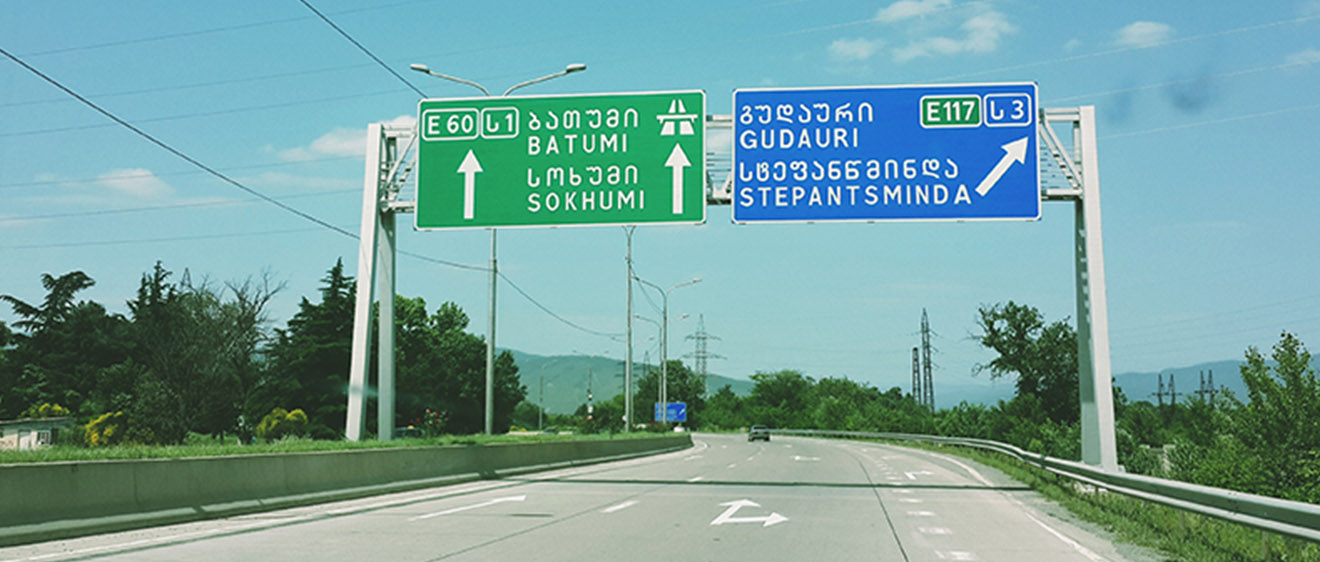
Georgia's road network consists of 1,495 km of international roads, which are in relatively good condition, and 18,834 km of domestic and local roads, most of which need to be rehabilitated.